

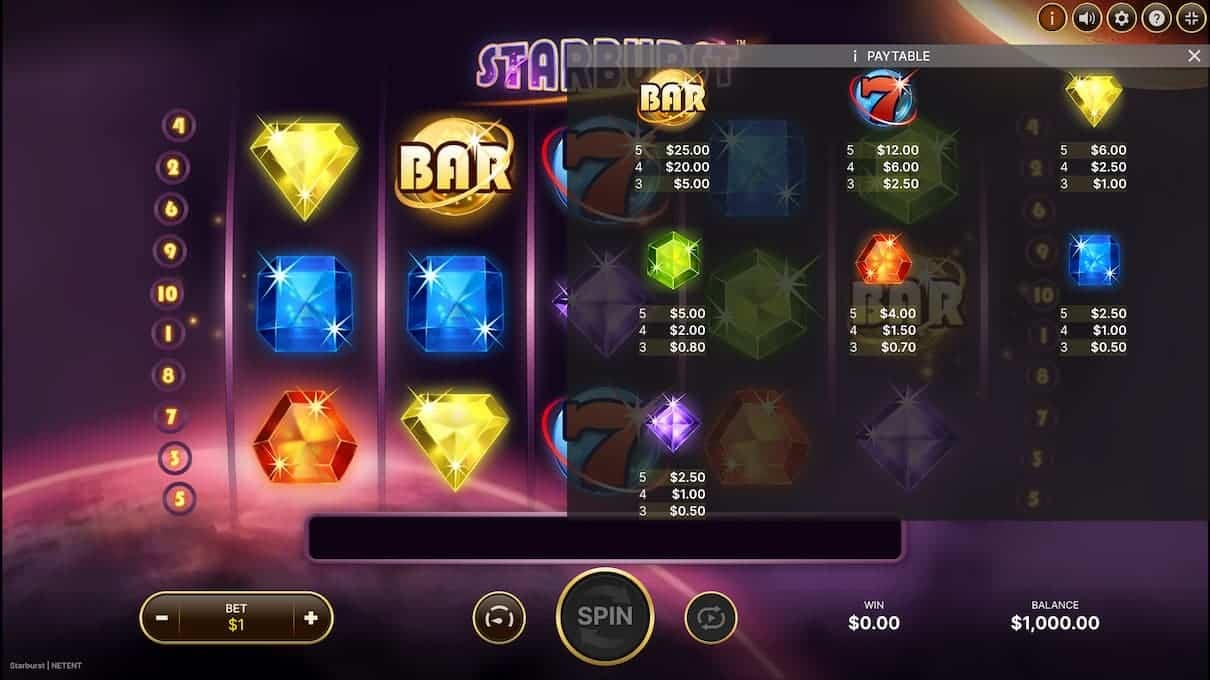





Starburst Game In Norway
Get an overview of how the game works, what to check before playing, and how to set limits in Norway (18+).
What the Game is About
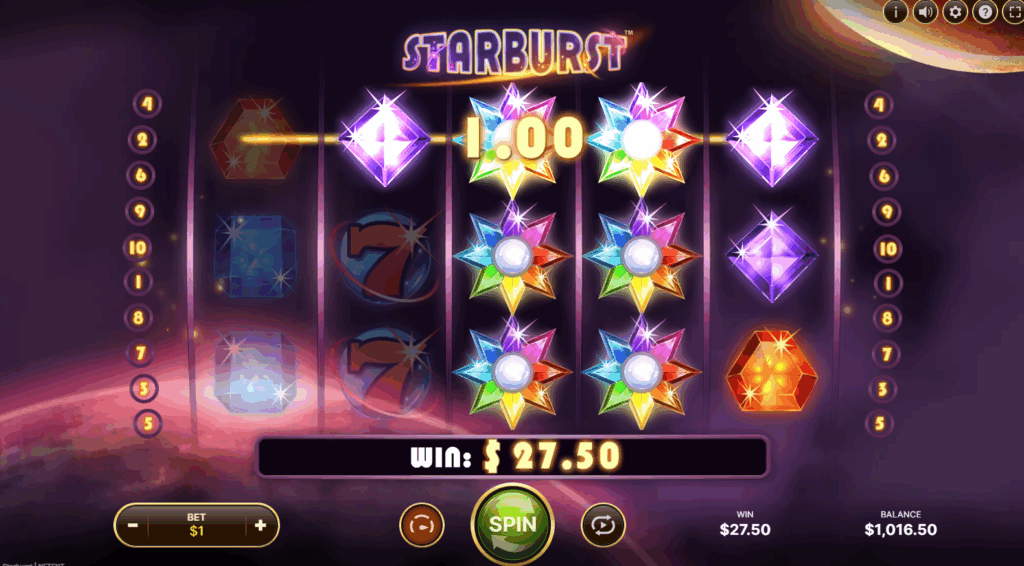
Starburst is a classic, colorful slot game that many choose because it's easy to get started with. You don't need to read long rules to understand what's happening – you choose your bet, press spin, and follow the symbols and winnings as they land. At the same time, it's easy to underestimate the pace: small bets can lead to many rounds in a short time, especially if you play on mobile or let auto-spin run.
Imagine you just want to "take five minutes" after dinner. You open the game, play a few quick rounds, and suddenly half an hour has passed. This is where a short plan helps: decide in advance how long you'll play and what your maximum bet should be, so the experience becomes more controlled and less impulse-driven.
For most people, the game is about entertainment, not about chasing a specific outcome. Some evenings you hit often, other evenings it feels slow – and that's normal. Therefore, it's smart to focus most on what you can actually control: bet level, breaks, and what you do when your mood changes.
How to Play Safely In Norway
If you play from Norway, you should first consider the framework: age limit (18+), responsible tools, and clear routines for deposits and withdrawals. Reputable platforms usually allow you to set limits for spending and time, and to take breaks or self-exclude when you need to. This is not just decoration – it's what makes gaming an activity you control, not something that controls you.
Imagine a Friday evening where you're a bit stressed and restless. Many then make the same mistake: they increase their bet to "get more excitement" instead of slowing down the pace. A better solution is to do the opposite: lower your bet, set a time limit, and decide that you'll take a break regardless of how things go after a certain number of rounds.
Also remember that availability can vary between different operators, payment methods, and verification requirements. This doesn't mean something is "suspicious" – often it's just about routines designed to protect both the player and the payment flow. Plan for things to take a little time, and avoid starting a session with the expectation that everything is always instantaneous.
How to Start a Session
A good session begins long before the first spin. You gain better control when you do three things in the correct order: create an account and confirm information, decide on a specific budget, and choose a bet that allows you to play calmly instead of burning everything in a few minutes. It sounds simple, but many skip it because they want to jump straight into the game.
Imagine you have 300 kroner you can spend on entertainment tonight. If you start high and fast, the evening is over before you get a chance to feel if you actually like the pace. If you start lower, you'll have time to understand how the game "breathes," when you should stop, and how you react when it fluctuates.
Registration and Account Setup
Account setup is often the most tedious step, but it's also what makes the rest smooth. You fill in basic info, confirm your age, and may be asked to verify your identity – especially if you plan to withdraw money later. Do this when you are calm, not in the middle of an eager session, to avoid interruptions that can trigger quick, poor choices.
Imagine you've just had a good round and want to conclude with a withdrawal. If your profile isn't ready, the process can stall, and you'll be left sitting and getting annoyed. Many then end up continuing to play "while they wait," which is rarely a good idea. Set up your account properly first, so you can stick to your plan when it actually matters.
A smart move is to activate limits immediately – before the first deposit. Then you know the boundaries are in place, regardless of how your mood and impulses change later in the evening.
Choose Bet And Set Rules
The bet choice is where the session either becomes comfortable or chaotic. Start at a level that allows you to play long enough to get a feel for the rhythm, and only increase if it fits your plan – not as a reaction to losses. Many believe they can "catch up" with higher bets, but in practice, they only increase the risk and pace.
Imagine you lose five or six rounds in a row and feel like pushing a bit harder. Take a 60-second break instead. Ask yourself: am I still playing for entertainment, or am I trying to repair the feeling of loss? If the answer is the latter, it's often best to log out or set a short timeout.
Create a simple rule before you start: max bet, max time, and a point where you always stop (for example, when the budget is used up, or when you feel irritation). When the rules are clear, it becomes easier to stop calmly.
Deposits should be part of the plan, not a spontaneous response to a bad period. Choose your payment method, decide the amount, and confirm that you understand any limits and verifications. If you have to think about it, it's a good sign – it means you're taking control.
Imagine you're playing and suddenly feel like topping up "just a little more." Instead of doing it on the fly, stop the session, exit the game, and make the choice without the spin button tempting you. That small pause often makes you say no – or set a new, lower limit.
|
Topic |
Common Choices |
What It Means For You |
|
Payment Method |
Card, e-wallet, bank transfer |
Different speed and different verifications, depending on the method |
|
Budget Limit |
Daily or weekly cap |
Helps you stop before impulse takes over |
|
Time Management |
Reality check and breaks |
Gives you a "wake-up call" when time flies |
|
Verifications |
Age and identity |
Makes withdrawals easier later and supports 18+ |
|
Game Control |
Timeout and self-exclusion |
Safety net when you need a stop button |
Withdrawals work best when you think of them as a routine, not as a reward you grab at the last second. When you're in profit, it can be wise to withdraw a portion and let the rest be an entertainment budget – that way you lock in your winnings and reduce the temptation to give everything back in a long closing session.
Imagine you're on a good run and feel like "tonight's the night." Many become extra bold then, and that's often where they lose track. A simple step is to stop, withdraw a portion, and then choose: either you quit, or you play on at a lower level and for a shorter timeframe.
Budget And Playing Pattern Control
The most important tool you have isn't a strategy, but a setup. Budget, time, and breaks ensure that fluctuations in the game don't automatically become fluctuations in your mood. When you know where to stop, it becomes easier to enjoy the excitement without making the session heavier than it needs to be.
Imagine a typical week where you play a little here and there. If you don't set boundaries, everything blends together, and you lose track of what you're actually spending. With a simple structure, you can still have fun – just with fewer "what actually happened?" nights.
Build A Simple Playing Budget
Start with an amount you can afford to lose without it affecting bills, food, or other fixed expenses. Feel free to divide it into two or three parts to create natural stopping points. This also makes it easier to stop after a good run, instead of spending everything just because it's available.
Imagine you've set aside a sum for the evening and already spent half. Now a small win comes, and you feel confident. Instead of increasing your bet, continue at the same level and stick to your planned time. These small choices create the difference between a controlled evening and an evening that spirals out.
A useful trick is to write down three things after the session: time spent, highest bet, and whether you stuck to your limits. It takes 20 seconds, but builds lasting awareness.
Understand Fluctuations And Features
Games can feel very different from night to night. Sometimes small wins come often, other times everything seems quiet. It's easy to interpret that as a sign, but often it's just natural variations. What really matters is how you react when it gets quiet.
Imagine you've been playing for a while without much happening. Many then start pressing faster or changing their bet constantly. Instead, try slowing down: fewer rounds, same bet, and a clear break after a certain number of spins. Then you take back control without making the session riskier.
If you like to experiment, do it structured. Change one thing at a time (like bet or autospin), and give it some time before assessing if it "feels" better. Chaotic changes only give chaotic impressions.
When To Stop And Log Out
The best stop signals aren't about money, but about feelings. Irritation, haste, and the thought of "winning back" are clear signs that you should take a break. A break isn't a defeat – it's a smart choice.
Imagine you catch yourself muttering "just one more" several times in a row. Then it's often no longer entertainment, but a pattern. Set a short timeout, stand up, and do something else for ten minutes. If you still feel like it afterwards, start over with a lower bet and shorter time – or quit for the evening.
Create a shutdown routine: stop, check your budget, and decide then and there whether to withdraw something or leave it. Routines make it easier to quit without drama.
Mobile, Customer Support, and Security Choices
Mobile gaming is convenient, but it's also where the pace can easily get out of hand. In addition, technical matters such as login, verifications, and notifications can affect how calmly you play. Therefore, it pays to have some simple habits and to know what you can use customer support for without expecting miracles.
Imagine you're playing on the bus and lose connection for a moment. If you get stressed and try to "fix" it with quick clicks, you might end up making choices you don't intend. A calm routine is better: stop, wait, log in again, and only continue when you're sure everything is stable.
Play on Mobile Without Losing Track
On mobile, you can play almost anywhere, and that's precisely the problem. When you play in bed or between other activities, it becomes harder to keep track of time and spending. Make mobile sessions shorter than you think you need, and actively use notifications or timers.
Imagine you open the game "just to look". Set a timer for 15 minutes before you start. When it rings, stop completely and consider if you actually want to continue. This simple break prevents you from sliding into a long session without noticing.
Also avoid combining mobile gaming with alcohol or severe fatigue. It sounds moralizing, but it's just practical: judgment diminishes, and clicks become more impulsive.
Customer Support: What You Can Ask About
Customer support is useful for practical questions: login, verifications, payment flow, limits, and how to set a pause or self-exclusion. It's rarely useful to discuss "why it's not winning" - that only leads to frustration. Go in with a specific goal, and you'll get better answers.
Imagine a withdrawal request is listed as "under processing" and you become uneasy. Instead of starting a new session to distract yourself, contact support and ask what's missing: is it documentation, a confirmation, or an internal check? Once you know what's happening, it becomes easier to wait calmly.
Write down what you did right before the problem occurred (login, method selection, amount), so you avoid back and forth. Small details save time, and you keep a cool head.
Technical Habits That Prevent Errors
Most technical problems are about small things: old login, unstable internet, or too many open sessions. Keep it simple. Log out when you're done, update the app or browser, and avoid jumping between multiple devices in the same session if you often experience interruptions.
Imagine you're playing and suddenly get an error message. Don't click through in irritation. Stop, take a mental screenshot (what did it say), and exit the game. When you return, do so calmly: log in, check your balance and history, and only continue when everything looks correct.
It's also advisable to turn off unnecessary notifications when you play. Interruptions often lead to quick reactions, and quick reactions often lead to poor choices.
Self-Exclusion and Timeouts
Timeout and self-exclusion are two different tools. A timeout is a short break, suitable when you notice you're playing too fast or too emotionally driven. Self-exclusion is for longer periods, typically when you see a pattern you can't stop with short breaks.
Imagine you've had several consecutive evenings where you play longer than planned. Before you do it again, choose a break that actually makes a difference - not just "I'll stop in five minutes". When you take a real break, you gain distance, and it becomes easier to make good choices later.
Use the tools early. They are most effective when set before you are fully entrenched in a pattern, not after you are already frustrated.
Common Mistakes and Small Adjustments
Most mistakes are not dramatic. They are small, repeated choices: slightly higher stakes, a little longer time, a little less break. Over a week, these small choices become big. Fortunately, small adjustments can also turn things around: slower pace, clearer rules, and better endings.
Imagine you start a session without a plan and end up playing twice as long as you intended. Next time, you can make one change: start with a timer, or split your budget in two. You don't need to be "perfect" - you just need to be a little more conscious than last time.
Also avoid letting a single good or bad evening define what you believe about the game. Stay focused on the process: how you set up the session, how you take breaks, and how you finish. When the process is good, gaming feels easier and safer, regardless of the outcome.
Quick Checklist Before You Hit Spin
Before you start, do a quick check: have you set a time limit, do you know your maximum bet, and have you decided when to stop? It takes less than a minute, but it saves you many "I was just going to" moments later.
Imagine you're already a bit stressed. Then it's especially important to play slowly, not quickly. Start at a low level, take a break after a certain number of rounds, and stop if you notice irritation or haste (these are the clearest warning signs). The goal is a calm experience you can own, not an evening that owns you.
FAQ
What should I check before I start playing?
Look for age limit (18+), the possibility to set deposit and time limits, and how breaks or self-exclusion are activated. Think through your budget and maximum bet before the first round, so you don't decide this in the middle of an impulse.
How do I set a budget that actually lasts?
Choose an amount you can afford to lose without affecting your daily life, and divide it into smaller parts. When you use one part, take a break and consider if you want to continue. This structure makes you less likely to "recharge" in the heat of the moment.
Why do some sessions feel better than others?
Results can fluctuate greatly from evening to evening, and it's easy to read patterns that mean nothing. The most important thing is how you manage your pace, stakes, and breaks when things are slow. If you notice yourself chasing losses, it's a sign to stop.
What do I do if I get irritated along the way?
Stop immediately and take a short timeout, even if you only need ten minutes. Ask yourself if you are playing for entertainment or to "make up for" a loss. If it's the latter, it's often best to quit for the evening.
How can I plan withdrawals without stress?
Think of withdrawals as a routine: ensure your profile is verified, and avoid starting a new session while waiting for processing. Many choose to withdraw a portion when they are in profit, and continue playing with a smaller amount to protect their winnings.
What questions are appropriate to ask customer support?
Ask about login, verifications, payment flow, limits, breaks and self-exclusion, or what is missing if something is stuck. Stick to concrete details such as method, time, and amount. This way you will often get quick and useful answers.
When should I use self-exclusion instead of a break?
If you see a pattern where you repeatedly play longer or spend more than planned, a longer block can be more effective than short stops. It's a tool to break habits, not a punishment. Use it early if you notice you're losing control.